Why underarms are a common first area
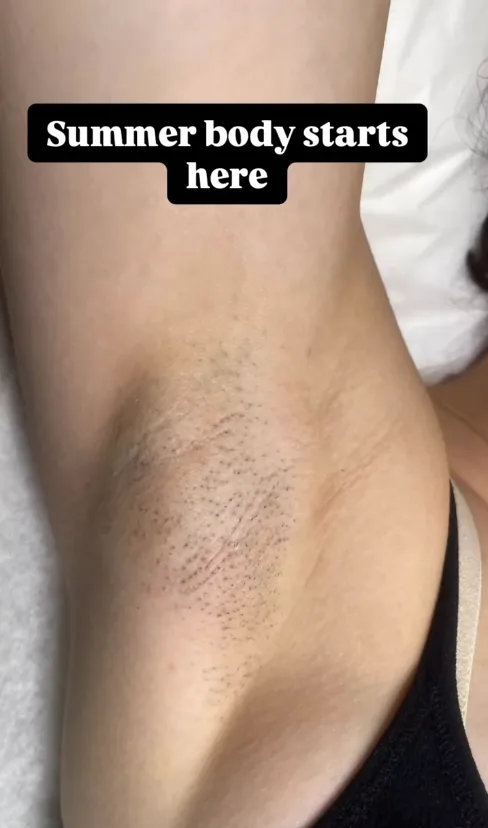
For many people, underarm laser hair removal is a natural place to start. The underarm is a small area, and shaving it can mean frequent stubble, irritation and bumps. The American Academy of Dermatology lists armpits among the areas laser hair removal can treat, along with the legs, bikini area, back and face.
Underarm hair is often the kind laser handles well. Cleveland Clinic says laser is most effective for people with thick, dark hair and light skin, and that it may work less well on blonde, gray, white or red hair or on darker skin. That does not rule out darker skin: the AAD says laser is now an option for people with dark skin, but it must be performed very carefully.
Armpit laser hair removal is not only for women. Men who want less underarm hair, or fewer bumps from shaving, can be candidates too, and your goal can be less hair rather than as little as possible. Either way, our laser hair removal services start with an assessment of your skin and hair.
How many sessions underarm laser hair removal usually needs
Expect a series of sessions. The AAD says removing unwanted hair can take 6 sessions or more, and Cleveland Clinic says most people need six to eight treatments, usually about six to eight weeks apart. Cleveland Clinic also notes that most people see roughly a 10% to 25% reduction in hair growth after the first treatment, so patience early on is normal.
The reason is the hair growth cycle. According to Cleveland Clinic, a follicle has to be in its anagen, or active growth, stage for laser to work, and follicles are in different stages at different times. Each session reaches the hairs that are growing at that point, which is why several sessions, spaced out, are needed.
Sources describe the long-term result a little differently. The AAD says laser hair removal is permanent on most areas of the body, though not on a woman's face because of hormones, while Cleveland Clinic says it is not permanent and that hair which grows back is usually lighter and thinner. Lasers are FDA-cleared for permanent hair reduction, meaning a lasting reduction rather than removal of every hair. Read more about laser hair removal on Long Island.
Preparing: shaving, no waxing or plucking, sun and self-tanner
Shave, do not pull. Cleveland Clinic advises shaving the treatment area two to three days before each session and avoiding waxing, tweezing and plucking once treatment begins. Shaving removes the hair above the skin but leaves the root in the follicle for the laser to target, while pulling hairs out removes what the laser needs to find.
Protect the skin from sun and tanning. Cleveland Clinic recommends avoiding tanning beds and staying out of the sun as much as possible in the weeks before treatment. Underarms are rarely in direct sun, but a beach vacation or a tanning-bed session can still affect the area. Ask your provider how far ahead to stop self-tanner or other sunless tanning products.
Before treatment day, ask whether you should skip deodorant, antiperspirant, powders or creams on the area that morning, and follow the instructions we give you. Tell us about new medicines, recent sun exposure or pregnancy. Cleveland Clinic says people who are pregnant should talk to their healthcare provider before laser hair removal and may need to avoid it.
What a session feels like
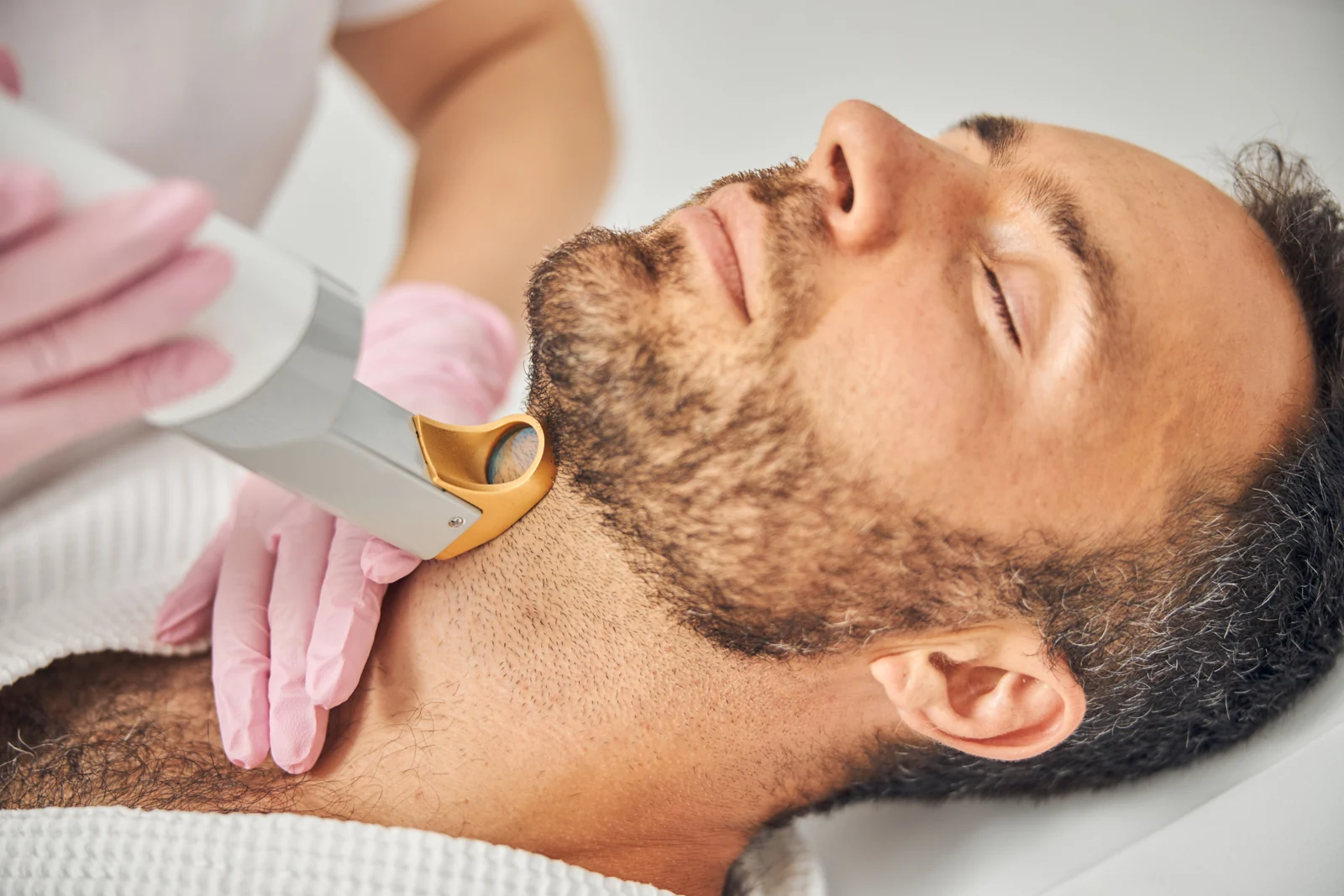
Cleveland Clinic says laser hair removal may feel like a series of stings, and some people compare it to a rubber band snapping against the skin. Comfort varies from person to person. The GentleMax Pro sprays a short burst of cryogen cooling onto the skin just before each pulse, cooling the surface of the skin as treatment moves across the area.
Session length depends on the size of the area. Cleveland Clinic says a procedure might take a few minutes or up to an hour, and the underarms are among the smaller areas people treat. Tell your provider during the session if anything feels too intense, and ask what to expect before you start so nothing comes as a surprise.
Afterward, your skin might be red, swollen and a little tender, as Cleveland Clinic notes. The AAD describes the most common side effects as minor and lasting 1 to 3 days, often looking like a mild sunburn. According to Cleveland Clinic, you should be able to go back to your normal activities right away.
Underarm laser aftercare between visits
Underarm laser aftercare is mostly about keeping the area calm. Cleveland Clinic suggests a cold compress on the treated area and advises keeping treated skin out of natural or artificial sunlight. The AAD adds that patients should not use tanning beds, sun lamps or other indoor tanning equipment.
Between sessions, shaving is the way to manage regrowth. Keep waxing, tweezing and plucking off the list once treatment has started, as Cleveland Clinic advises, so each follicle still has a hair for the next session to target. Threading pulls hairs out too, so treat it the same way.
Deodorant and antiperspirant are a common question. None of the medical sources cited here sets a rule for them, so follow the aftercare instructions we give you at your appointment, and ask before you leave when you can restart your usual product. If the skin is red or irritated, check with us before applying anything to the area.
Underarm ingrown hairs and bumps
The NHS lists the armpits among the areas prone to ingrown hairs and says they are more likely in areas you shave, with waxing, plucking and threading also able to cause them. Coarse or curly hair can raise the risk. Ingrown hairs can look like raised, itchy bumps, sometimes with a hair visible under the skin.
The NHS says the best way to prevent ingrown hairs is not shaving, and suggests a long-term method such as laser treatment. Until then, its shaving advice includes wetting the skin with warm water, using shaving gel, shaving in the direction the hairs grow with as few strokes as possible, and not shaving too close. Do not scratch, pick or squeeze ingrown hairs, which can damage the skin and lead to infection.
See a doctor if an ingrown hair or the area around it is very painful, hot or swollen, if you have a high temperature or feel unwell, or if you notice other signs of infection, as the NHS advises. Not every underarm bump is an ingrown hair, so bumps that keep coming back, feel deep or leave marks are worth showing to your doctor or a dermatologist before laser.
Starting underarm laser in Great Neck or Commack
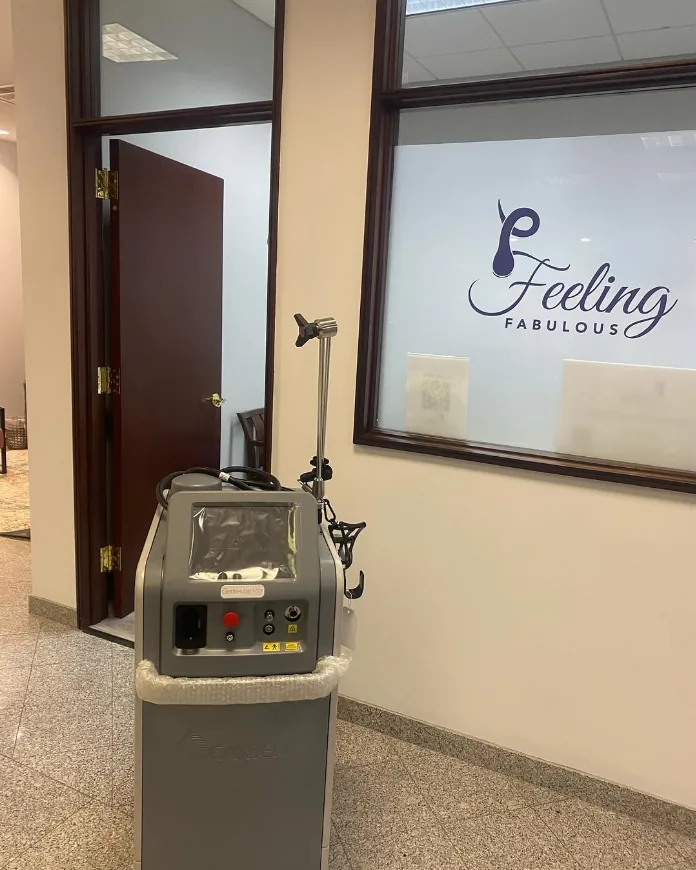
If you are ready to stop shaving your underarms so often, start with a free consultation. We look at your hair and skin, explain how the GentleMax Pro's two wavelengths, 755 nm Alexandrite and 1064 nm Nd:YAG, would be used for you, and give you a personalized quote after the assessment.
We have two offices: 200 Middle Neck Rd in Great Neck, convenient if you live near Manhasset, and 635 Commack Rd in Commack, which suits Huntington and much of western Suffolk. Our page on laser hair removal near Manhasset has more about the Middle Neck Road office, or you can call or text (516) 200-1243.
Appointments run Sunday through Friday, 9am to 6pm, and we are closed on Saturday. When you are ready, book a free consultation and tell us which office suits you. Bring a list of your medicines, the date you last waxed or plucked, and any questions about sessions or aftercare.
Questions, answered
How many sessions do underarms need?
It varies with your hair, skin and how you respond. The American Academy of Dermatology says laser hair removal can take 6 sessions or more, and Cleveland Clinic says most people need six to eight treatments about six to eight weeks apart. Because laser works on hairs in the growth stage, several sessions are needed. Your consultation gives you an estimate for your own underarms.
Should I shave before underarm laser?
Yes. Cleveland Clinic advises shaving the treatment area two to three days before each session. Shaving removes the hair above the skin while leaving the root in the follicle for the laser to target. Do not wax, tweeze or pluck instead, and follow any specific timing we give you when you book your appointment.
Can I wax my underarms between sessions?
No. Cleveland Clinic advises avoiding waxing, tweezing and plucking in treated areas once laser treatment begins, because the laser needs hair in the follicle to target. Shaving is the way to manage regrowth between sessions. If you have a trip or event coming up, ask us how to plan around it rather than booking a wax.
Does underarm laser help with ingrown hairs?
It can. The NHS lists the armpits among areas prone to ingrown hairs, notes that shaving, waxing, plucking and threading can all cause them, and suggests laser treatment as a long-term way of removing hair. Do not pick or squeeze bumps, and see a doctor if an area becomes very painful, hot or swollen or you feel unwell.
Can I wear deodorant after treatment?
The medical sources cited in this article do not set a deodorant rule, so follow the aftercare instructions we give you at your appointment. Ask before you leave when you can restart your usual deodorant or antiperspirant. If your skin is red, tender or irritated, check with us before applying anything to the area, and call or text (516) 200-1243 with questions.
This guide provides general education. Treatment suitability, risks, preparation, and aftercare should be discussed with your provider. Individual results vary.