You deserve a practical, respectful conversation
Managing unwanted facial hair can take time and attention. If you have been diagnosed with PCOS, you may be looking for an approach that fits your routine and reduces the need for frequent temporary removal. Your reasons for seeking treatment are personal; you do not need to justify them.
A good starting point is to describe the areas that bother you, what you have tried and what you hope to change. There is no single treatment schedule that can be promised to everyone with the same diagnosis.
Hair removal and medical treatment have different jobs
Hormonal conditions can contribute to excess coarse hair growth, but facial hair alone does not establish a diagnosis. If growth is new or changing, or comes with symptoms such as irregular periods or acne, discuss it with a healthcare professional. They can assess possible causes and whether medical treatment is appropriate.
Laser and electrolysis address unwanted hair; they do not diagnose PCOS or treat the underlying hormonal condition. If you already receive medical care, let your hair-removal provider know about relevant medicines and changes in your treatment. Never adjust a prescription solely to prepare for an appointment without speaking to the prescriber.
Ask which hairs are suitable for which method
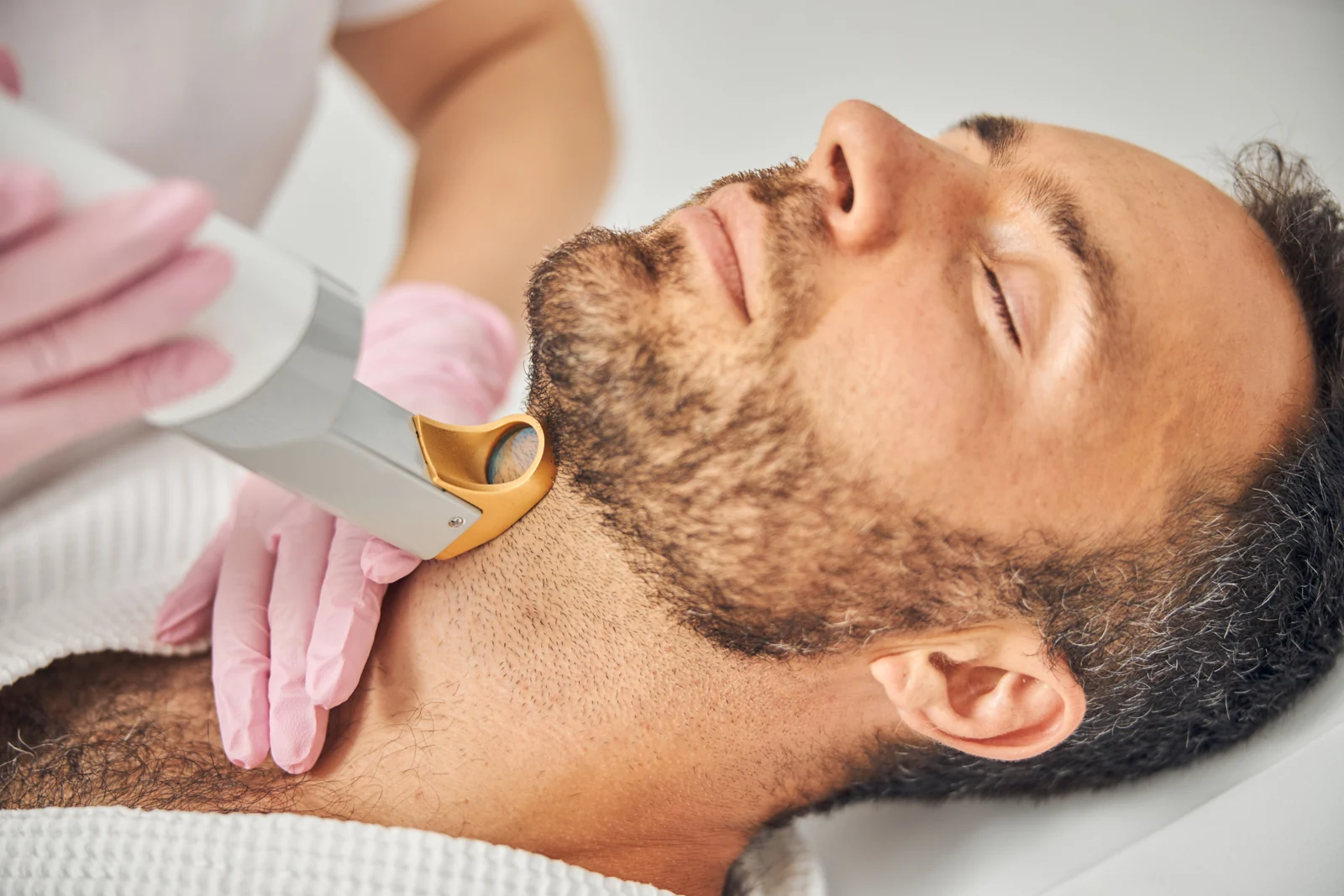
For unwanted pigmented hair, laser may be an option after assessment of the hair, skin and treatment area. Electrolysis can be considered for light-colored hairs as well as darker hairs because it treats individual follicles without relying on pigment. The choice should reflect what is actually present, rather than the diagnosis alone.
Facial hair deserves a careful discussion of benefits and risks. Ask about the possibility of increased hair growth after laser, especially where hair is fine, and whether another approach is more appropriate. A provider should be able to explain why the recommended method suits the area being considered.
Discuss progress without a guarantee
Hair follicles are not all active at once, so repeated visits are part of treatment. Continued hormonal influences may also affect future hair growth. Ask how the plan accounts for that and how you will distinguish progress in treated hair from newly appearing hair.
Instead of asking only how many visits you will need, ask what would lead the provider to reassess the approach. Discuss appointment length, expected spacing, cost, comfort and the commitment needed between visits. A clear review process helps you make decisions as treatment progresses.
Bring your questions to a consultation
Useful questions include: Which areas are suitable for treatment? What should I do about tweezing or waxing beforehand? What reactions should I expect afterward? Who should I contact if my skin responds unexpectedly? Ask for instructions specific to your chosen method.
Dorna at Feeling Fabulous offers free consultations for people exploring laser and electrolysis in Great Neck and Commack. Book online or call or text (516) 200-1243 to discuss your hair-removal goals. Medical questions about hormones or a diagnosis belong with your healthcare professional; both conversations can support a more informed plan.
This guide provides general education. Treatment suitability, risks, preparation, and aftercare should be discussed with your provider. Individual results vary.