Why pregnancy can change hair growth
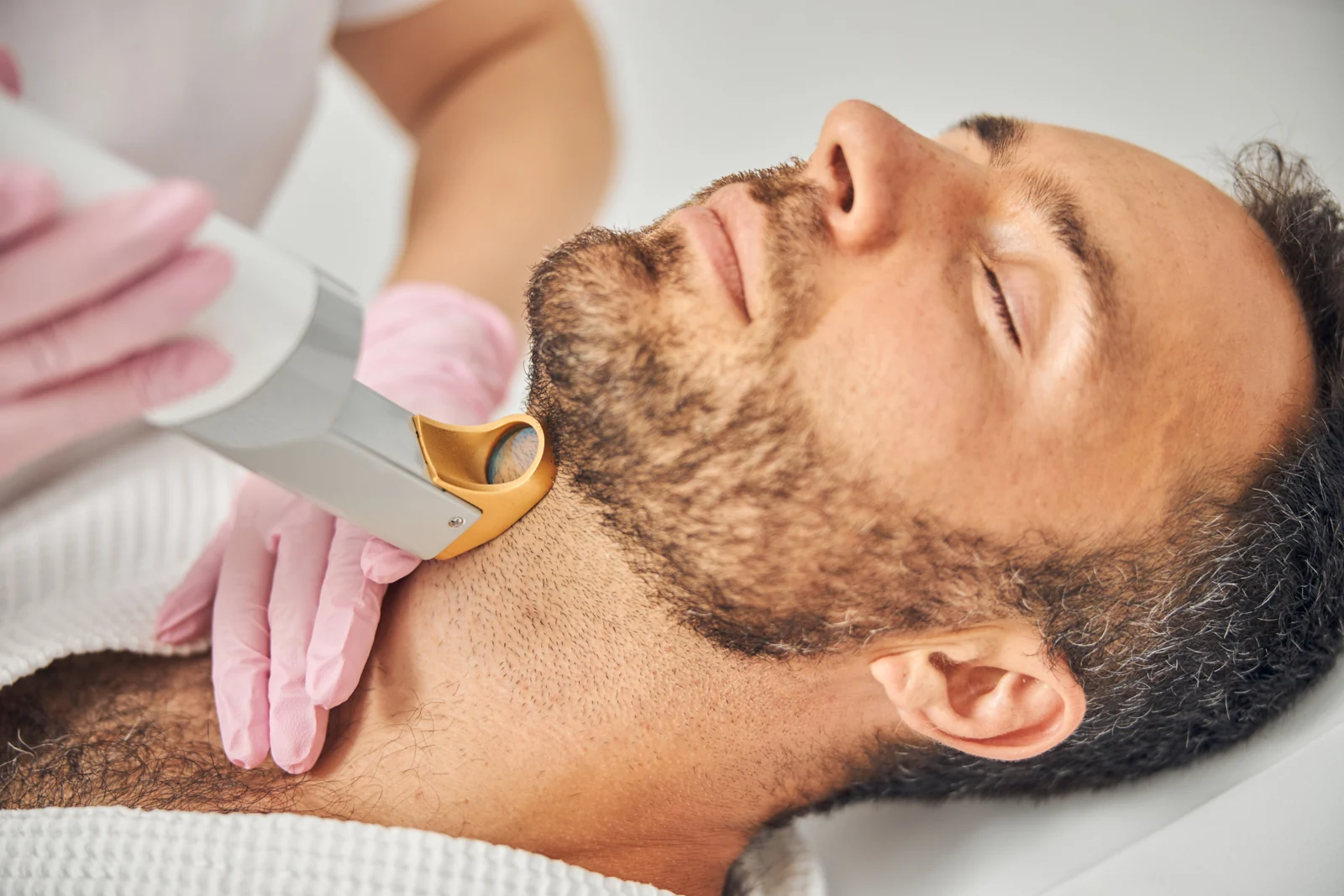
Laser hair removal during pregnancy is a common question, partly because pregnancy itself can change your hair. The American Electrology Association (AEA) notes that unwanted hair can be caused by hormonal changes brought on by pregnancy. You might notice hair where you didn’t have it before, or hair that grows differently than it used to.
This article is general information, not medical advice. Your obstetric clinician, whether that’s an OB-GYN or a midwife, knows your health and your pregnancy, and their guidance comes first on anything you do during this time. If new hair growth is sudden or comes with other symptoms, mention it to them rather than waiting.
Hormonal hair growth can feel frustrating, but hair removal is elective, which means it can wait until you have clear advice. In the meantime, ask your clinician which temporary options, such as shaving or trimming, they’re comfortable with for you, and whether any hair removal products you already use should change while you’re pregnant.
Laser hair removal during pregnancy: what medical sources advise
Cleveland Clinic advises talking to your healthcare provider before having laser hair removal, and says you may need to avoid the procedure if you are pregnant. Of the sources we cite, that’s the most direct guidance, and it’s the starting point for any conversation about laser while pregnant.
A 2019 research review, covered in the next section, adds context. Its authors write that elective laser therapy during pregnancy is not generally advised by health care professionals and is encouraged to be performed postpartum, meaning after birth. They also note that laser manufacturers commonly list pregnancy as a contraindication, a reason not to treat, while arguing that evidence of harm is lacking.
So, is laser hair removal safe while pregnant? The sources don’t offer a simple yes. The long-standing, cautious approach is to postpone elective laser until after pregnancy unless your obstetric clinician advises otherwise. Laser hair removal is cosmetic, so you can plan your sessions for later without giving anything up for your health.
What the research review found, and its limits
In 2019 the journal Dermatologic Surgery published a systematic review by Wilkerson and colleagues of reports on laser use in pregnancy from 1960 to 2017. It identified 22 publications describing 380 pregnant women treated in all trimesters. Other than one case the authors judged questionably related to treatment, they found no reports of maternal or fetal harm, premature labor or identifiable fetal stress.
The limits matter as much as the findings. The authors described the evidence as low-level, made up only of case reports and case series. They noted that randomized controlled trials are lacking and that recommended guidelines for laser therapy during pregnancy have not been established in the United States.
The reasons for treatment listed in the review included cervical conditions, urinary stones, genital warts, acne and scarring; hair removal was not among them. The authors concluded the limited evidence was reassuring and suggested guidelines be revisited, but a review like this is not clearance for elective laser hair removal while you’re pregnant. That decision belongs with your obstetric clinician.
Electrolysis while pregnant: check with your physician first
Electrolysis doesn’t use light. A very fine probe is placed into each follicle, and a small current treats the hair’s growth cells. The AEA’s FAQ says electrolysis can be performed on any normal skin, including for pregnant women, and suggests you seek your physician’s advice before beginning treatment.
That leaves room for electrolysis while pregnant, but it puts the decision with you and your obstetric clinician. Electrolysis comes in different modalities, so ask at your consultation which one would be used for you, and share that with your clinician when you ask for their advice.
If you both decide to go ahead, tell your electrologist you’re pregnant, ask about positioning and shorter appointments if you’d be more comfortable, and don’t use any numbing product without your clinician’s approval. You can read more about our electrolysis for permanent hair removal before you book.
Pausing a treatment plan and picking it back up
If you learn you’re pregnant partway through a plan, tell your provider and pause until you’ve spoken with your obstetric clinician. A laser hair removal plan is already spread over months, with Cleveland Clinic describing sessions about six to eight weeks apart, so pausing mainly shifts your timeline.
What about laser hair removal after pregnancy, or laser hair removal while breastfeeding? The sources we cite don’t set a specific timeline for either. Ask your obstetric clinician when treatment would be reasonable for you, and mention if you’re breastfeeding, since that may affect their advice.
When you’re ready to return, expect a fresh assessment rather than simply picking up where you left off. Pregnancy hormones can change hair growth, so your provider will look at your skin and hair again and update your plan, including any new areas you want to treat.
Questions to bring to your OB and to your consultation
For your obstetric clinician: Is laser hair removal okay for me now, or should I wait? Is electrolysis an option during this pregnancy? Is the new hair growth I’m noticing expected? After delivery, and while breastfeeding, when would hair removal treatment be reasonable for me?
For your hair removal provider: Which method would you suggest after pregnancy for my skin and hair? For electrolysis, which modality would you use? What should I avoid before and after a session? How would you adjust my plan if my hair growth changes? Our guide to permanent hair removal with laser vs electrolysis covers the differences.
Write your questions down before each appointment, and keep a list of any medications or supplements you take. If your clinician gives you specific instructions, such as how long to wait after birth, share them with your hair removal provider so your plan follows their advice.
Planning ahead in Great Neck or Commack
You don’t have to start treatment to start planning. A free consultation is a chance to talk through your goals, ask questions and understand your options, so you’re ready to begin when your clinician gives the go-ahead. Bring their advice with you, and we’ll plan around it.
If you’re booking after delivery, mention roughly when you gave birth and whether you’re breastfeeding, along with any instructions from your clinician. If you’re still pregnant, a consultation can simply map out the areas you want to treat and the method that suits your hair, so everything is ready when the time is right.
Feeling Fabulous has offices at 200 Middle Neck Rd in Great Neck and 635 Commack Rd in Commack, open Sunday through Friday, 9am to 6pm, by appointment, for clients across Long Island. Book a free consultation or call or text (516) 200-1243, and let us know if you’re pregnant or recently gave birth.
Questions, answered
Can I get laser hair removal while pregnant?
Cleveland Clinic advises talking to your healthcare provider first and says you may need to avoid laser hair removal if you are pregnant. A 2019 research review found only low-level evidence on laser use in pregnancy, none of it for hair removal, and noted no established US guidelines. The usual cautious approach is to wait until your obstetric clinician says it’s appropriate.
Is electrolysis safe during pregnancy?
The American Electrology Association says electrolysis can be performed on any normal skin, including for pregnant women, and suggests seeking your physician’s advice before beginning. Talk with your obstetric clinician before booking, ask your electrologist which modality would be used, and tell them you’re pregnant so appointments can be planned around your comfort and your clinician’s advice.
Should I pause my sessions if I find out I’m pregnant?
Pausing is the cautious choice. Let your hair removal provider know, and ask your obstetric clinician whether and when to continue. Cleveland Clinic advises talking to your healthcare provider before laser hair removal and says you may need to avoid it during pregnancy. Laser plans already span months, so a pause mainly shifts your timeline.
Why am I growing more hair during pregnancy?
The American Electrology Association notes that hormonal changes brought on by pregnancy can cause unwanted hair. Mention any new or sudden growth to your obstetric clinician, who can tell you whether it’s expected for you. Until you have their advice, ask which temporary options, such as shaving or trimming, they’re comfortable with.
When can I restart after giving birth?
There’s no single answer. The sources we cite don’t set a specific timeline for restarting after birth or while breastfeeding, so ask your obstetric clinician when treatment would be reasonable for you. When you return, your provider will reassess your skin and hair, since pregnancy hormones may have changed your hair growth.
This guide provides general education. Treatment suitability, risks, preparation, and aftercare should be discussed with your provider. Individual results vary.