Why ingrown hairs happen after shaving, waxing and plucking
Red bumps after shaving, a stubborn spot on the bikini line, a hair trapped under the skin of your shin: ingrown hairs are common and frustrating. If they keep coming back, you may be considering laser hair removal for ingrown hairs. It can help over time, but prevention habits and knowing when to see a doctor matter just as much.
An ingrown hair is a hair that has grown back into the skin instead of out of it. The NHS lists shaving, waxing, plucking and threading as common triggers, and says you may be more likely to get them if your hair is coarse or curly. Cleveland Clinic adds that frequent shavers and people with skin of color are also more likely to develop them.
Cleveland Clinic explains why: shaving, waxing and tweezing remove the hair strand, not the follicle. The hair keeps growing back, and the tip can curl and re-enter the skin. The NHS describes the result as raised, itchy bumps, sometimes with a visible trapped hair. On brown or Black skin, the bumps may look darker than the surrounding skin rather than red.
Bikini line, legs and underarms: the usual trouble spots
The NHS lists the face and neck, legs, armpits, chest, back and pubic area as places ingrown hairs often appear. Cleveland Clinic names the bikini line and inner thigh in particular. These spots share two things: hair that tends to be coarse, and frequent shaving or waxing over curved skin that is hard to reach.
On the legs, you may have heard the term strawberry legs. It is a colloquial name people use for dark dots that show up in pores or follicles after shaving, not a medical diagnosis, and several different skin conditions can look similar. If you are not sure what you are seeing, have a clinician take a look rather than guessing.
Underarms are another common spot, since the hair there is often coarse and shaved frequently. Wherever ingrown hairs appear, the advice is the same: do not scratch, pick or squeeze them. The NHS warns this can cause damage and infection, and Cleveland Clinic says picking can lead to scarring.
Prevention steps backed by health sources
The NHS says not shaving is the best way to prevent ingrown hairs, which is not practical for everyone. If you do shave, both the NHS and Cleveland Clinic suggest wetting the skin with warm water first, using shaving gel or cream, shaving in the direction the hair grows and rinsing the blade after every stroke. Cleveland Clinic also recommends a single-blade razor that you change often.
The NHS adds a few more steps: use as few strokes as possible, do not shave too close (leaving a little stubble can help), avoid blunt razors, and try not to shave every day. Holding a cool, wet cloth on the skin after shaving and using a gentle exfoliating scrub can help, and an electric razor or hair removal cream are alternatives to wet shaving.
For a hair that is already trapped, Cleveland Clinic suggests a warm compress for 10 to 15 minutes and gentle exfoliation to help it release. According to the NHS, a pharmacist can recommend products for itching or a mild antiseptic to help prevent infection. Cleveland Clinic notes that most ingrown hairs clear up on their own within days to a couple of weeks.
How laser hair removal for ingrown hairs can reduce them over time
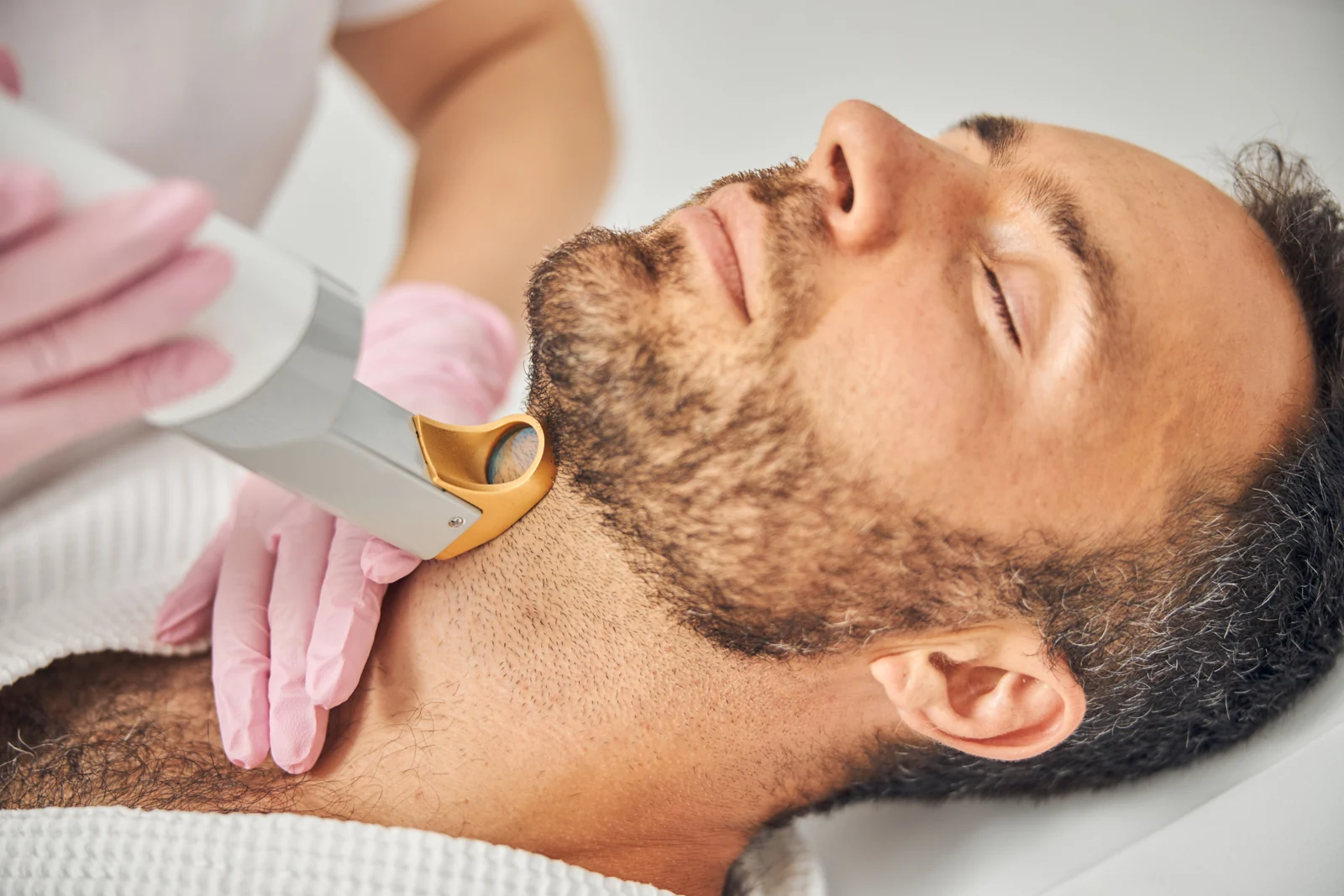
Laser takes a different approach. Instead of cutting or pulling the hair, it heats the follicle so it grows less hair. Fewer and finer hairs mean fewer chances for one to curl back into the skin. The NHS suggests laser treatment as a longer-term method to consider, and Cleveland Clinic lists laser hair removal as an option for more serious cases.
Results build gradually. Cleveland Clinic’s laser hair removal guide says most people see roughly a 10 to 25 percent reduction after the first session and need about six to eight treatments, usually six to eight weeks apart. It notes that laser is not permanent and that hair which regrows is usually lighter and thinner. Lasers are FDA-cleared for permanent hair reduction, meaning fewer hairs over the long term rather than none.
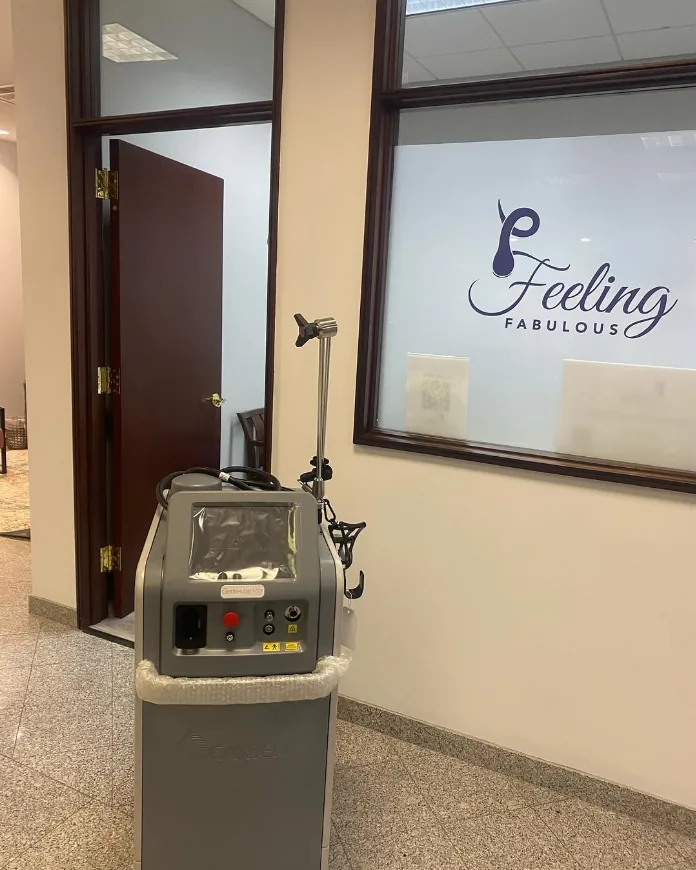
Laser works best on thick, dark hair, which is often exactly the hair that grows in. Cleveland Clinic says it may work less well on dark skin or on blonde, gray, white or red hair. Our Candela GentleMax Pro has both a 755 nm Alexandrite and a 1064 nm Nd:YAG laser, so the wavelength can be matched to your skin. Learn more on our laser hair removal service page.
Before each session, Cleveland Clinic advises shaving the area two to three days ahead, avoiding waxing, tweezing and plucking once treatment begins, and limiting sun exposure and tanning beds. That means switching from waxing to shaving during a laser series, even if waxing is your usual routine. If you are pregnant, talk with your healthcare provider first.
Is electrolysis an option for stubborn spots?
Electrolysis uses a fine probe and a small electrical current to destroy hair roots one follicle at a time. Cleveland Clinic lists it as an option for ingrown hairs, with an important caveat: because each follicle is treated individually, it may not be practical over a large area such as both legs.
Where electrolysis stands out is precision. It can target a few recurring trouble spots on the bikini line, light or gray hairs that laser does not treat well, or the hairs left after a laser series. It permanently removes the follicles it successfully treats, and it takes a series of visits because hair grows in cycles. Our electrolysis service page explains how it works.
When an ingrown hair needs a doctor
Most ingrown hairs are a nuisance rather than a medical problem. The NHS says to see a doctor if an ingrown hair or the skin around it is very painful, hot or swollen, or if you have a high temperature or feel hot, cold, shivery or generally unwell. Those can be signs of an infection that needs treatment.
Cleveland Clinic advises seeing a healthcare provider if ingrown hairs do not improve with home care or become infected. A doctor may release the hair with a sterile instrument or prescribe a steroid cream or antibiotics. If you have scarring, dark marks that do not fade, or bumps you cannot identify, a dermatologist can confirm what they are before you plan hair removal.
Talking through a plan in Great Neck or Commack
A consultation is a good time to look at your problem areas together, talk about your hair color and skin, and decide whether laser, electrolysis or both make sense. Bring a list of the hair removal methods you use now and any products or medicines you apply to the area. Our guide to laser hair removal on Long Island covers what to expect in more detail.
Feeling Fabulous has offices at 200 Middle Neck Rd in Great Neck, a few minutes from Manhasset, and at 635 Commack Rd in Commack. Both are open Sunday through Friday, 9am to 6pm, by appointment. After an assessment you receive a personalized quote. Book a free consultation or call or text (516) 200-1243.
Questions, answered
Does laser hair removal stop ingrown hairs?
It can reduce them over time. Laser lowers the number of hairs growing from treated follicles, so fewer can curl back into the skin, and the NHS lists it as a longer-term option. Cleveland Clinic notes that laser is not permanent and that regrowth is usually lighter and thinner. Most people need a series of sessions, and results vary with hair color and skin tone.
Can electrolysis help with ingrown hairs?
Yes, for smaller areas. Cleveland Clinic lists electrolysis as an option for ingrown hairs because it destroys hair roots one follicle at a time. That same precision makes it impractical over a large area such as the legs. It suits a few recurring spots, light or gray hairs that laser does not treat well, or hairs left over after a laser series.
Should I wax or pluck between laser sessions?
No. Cleveland Clinic advises avoiding waxing, tweezing and plucking on treated areas once laser treatment begins, because laser needs the hair’s root in the follicle to work. Shaving is the usual alternative, and Cleveland Clinic suggests shaving the area two to three days before each session. Ask your provider for exact timing for your treatment area.
When should I see a doctor about an ingrown hair?
The NHS says to see a doctor if an ingrown hair or the skin around it is very painful, hot or swollen, or if you have a high temperature or feel hot, cold, shivery or unwell. Cleveland Clinic adds that ingrown hairs that do not improve with home care, or that become infected, should be checked by a healthcare provider.
Why do I get ingrown hairs on my bikini line?
The bikini line combines coarse, often curly hair with frequent shaving or waxing over curved skin. The NHS lists shaving, waxing, plucking and threading as common causes, and coarse or curly hair makes ingrown hairs more likely. Shaving in the direction of growth, using a sharp blade and avoiding very close shaves can help, and laser can reduce the hair over time.
This guide provides general education. Treatment suitability, risks, preparation, and aftercare should be discussed with your provider. Individual results vary.