Why one session is never enough: hair growth cycles
If you’re wondering how many laser hair removal sessions you’ll need, the honest answer is a range, not a single number. The reason starts with how hair grows. Each hair comes from a follicle, the small pocket in the skin that produces it, and every follicle runs on its own cycle of growing and resting. At any given moment, only some of your hairs are actively growing.
Cleveland Clinic explains that a follicle has to be in its anagen, or growth, stage for laser treatment to work. Because follicles are at different stages at different times, one visit can only reach the hairs that happen to be growing that day. The others need a later session, once they’ve cycled into their growth stage.
That’s why laser hair removal is planned as a series, and why spacing matters as much as the number of visits. Your provider times each appointment so that a new group of follicles is likely to be in the growth stage. Coming in on schedule gives each session the best chance to count.
How many laser hair removal sessions? What published ranges say
Reputable medical sources give different numbers. The American Academy of Dermatology (AAD) says in its laser hair removal FAQs that most patients need 2 to 6 treatments. The AAD’s overview page says removal can take 6 sessions or more, and Cleveland Clinic puts the usual range at six to eight treatments.
Why the spread? These are general ranges written for everyone, across every body area, hair type and skin tone. They don’t give separate answers for how many sessions for underarms versus how many sessions for Brazilian laser, for example. Your own number depends on the hair and skin being treated, the area, and how your hair responds over the first few visits.
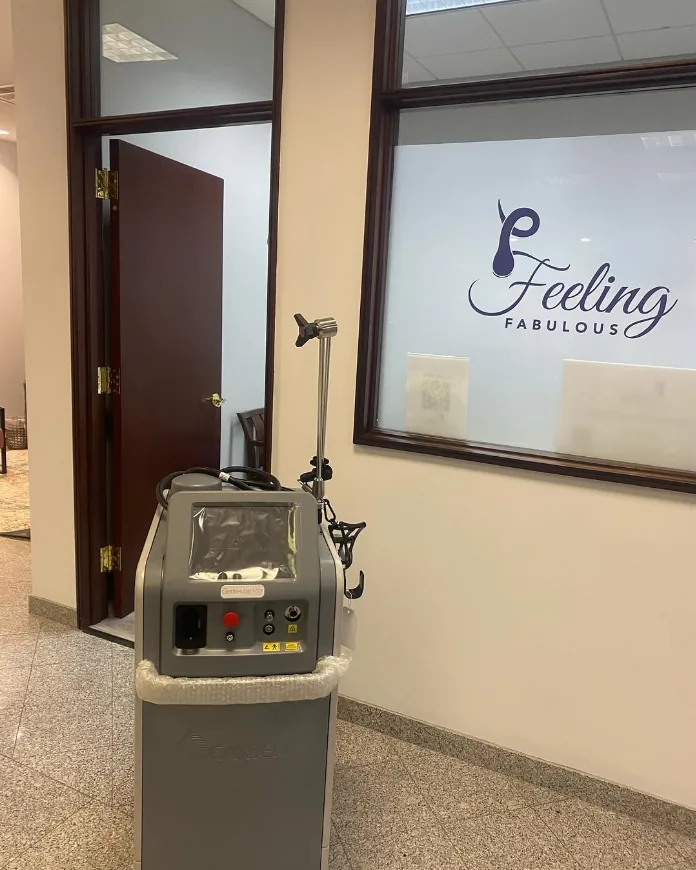
Both the AAD and Cleveland Clinic say people typically see about a 10% to 25% reduction in hair after the first treatment, so early progress is gradual by design. We don’t quote a fixed number of sessions before we’ve seen your skin and hair. A consultation for our GentleMax Pro laser hair removal service ends with a personalized plan and quote after an assessment.
How far apart sessions are spaced
Spacing varies by source as well. The AAD says most patients can have laser hair removal once every 4 to 6 weeks, and that the person treating you decides when your next session is safe. Cleveland Clinic says sessions are usually about six to eight weeks apart.
So how long between laser hair removal sessions is right for you? Your provider sets the interval based on the area being treated and how your hair is responding, and may adjust it over the course of your plan. Coming back too soon may simply mean fewer follicles have reached their growth stage.
Between visits, follow the prep rules that keep sessions on track. Cleveland Clinic advises shaving the area two to three days before treatment, avoiding waxing, tweezing and plucking once treatment begins, and staying out of the sun as much as possible. If you’ve recently tanned or have a sunny trip coming up, tell your provider before your appointment.
What changes your count: hair color, thickness, skin tone, hormones
Laser relies on the hair absorbing the laser’s energy as heat. Cleveland Clinic notes that it works best on dark, thick hair and light skin, because that contrast helps the hair absorb the heat. The AAD agrees that light skin with dark hair responds best, and says people with darker skin can be treated, but that treatment must be performed very carefully.
Providers often describe skin using the Fitzpatrick skin type scale, a six-level classification based on how your skin reacts to the sun, from type I, which always burns, to type VI, which rarely or never burns. It helps guide device and setting choices. Our Candela GentleMax Pro has two wavelengths, a 755 nm Alexandrite and a 1064 nm Nd:YAG, which gives your provider options for different skin and hair combinations.
Hair that is fine or light in color offers less contrast, so it can be slower to respond than dark, coarse hair. Hormones matter too. Hormone-driven growth can keep producing hairs after you start, which is why the face is a special case for many women, as the next section explains.
Face vs body: why women’s facial hair behaves differently
Sources describe permanence in different ways. The AAD’s laser hair removal overview says results are permanent on most areas of the body, but not on a woman’s face, because of hormones. Cleveland Clinic says laser hair removal isn’t permanent and that hair which grows back is usually lighter and thinner. Lasers are FDA-cleared for permanent hair reduction, not removal of every hair.
For women’s facial hair, that means planning for the long term. Because hormones keep influencing facial hair, you may see new growth even after a successful series. That isn’t necessarily a failed treatment. It’s a reason to expect occasional follow-up visits rather than a one-and-done result.
If facial hair appears suddenly or increases noticeably, mention it to your doctor, gynecologist or endocrinologist, who can check for an underlying hormonal cause. For remaining fine or light hairs, some people add electrolysis, which treats one follicle at a time. Your provider can talk through whether a combined approach makes sense for you.
Maintenance visits and how to tell it’s working
Laser hair removal maintenance is normal. The AAD says a patient may need maintenance treatments to keep an area free of hair, and its overview notes that treatment can be repeated when hair regrows. Cleveland Clinic adds that hair which grows back is usually lighter and thinner than before.
Signs a plan is working include longer stretches before you need to shave, patches that stay clear, and hairs that come back finer. Memory is unreliable, so take your own laser hair removal before and after photos in the same light at each visit. Ask your provider, too, what shedding to expect in the weeks after a session, so you know what’s typical.
After a full series, the AAD says most patients don’t see any hair on the treated skin for several months or even years, and Cleveland Clinic says you may not have new hair growth for several months or years. When hair does return, a touch-up visit can address it. That’s the realistic laser hair removal results timeline: steady progress, then occasional upkeep.
Building a schedule around Great Neck or Commack visits
Because sessions are weeks apart, a plan that fits your calendar is a plan you’ll finish. Feeling Fabulous has two offices: 200 Middle Neck Rd in Great Neck (Nassau) and 635 Commack Rd in Suffolk, open Sunday through Friday, 9am to 6pm, by appointment. If you’re on the North Shore, see our page on laser hair removal near Manhasset.
Think about the season, too. Since Cleveland Clinic advises keeping treated skin out of natural and artificial sunlight, map your sessions around beach trips and vacations. Starting in the cooler months can make it easier to stay out of the sun between visits, though you can begin at any time of year with good sun protection.
To get a personalized estimate of your sessions and spacing, book a free consultation or call or text (516) 200-1243. Bring a list of the areas you want treated and any hair removal you’ve done recently. You can also read about laser hair removal on Long Island before your visit.
Questions, answered
How many sessions does laser hair removal take?
Published ranges vary. The American Academy of Dermatology says most patients need 2 to 6 treatments and notes removal can take 6 or more, while Cleveland Clinic cites six to eight. Your number depends on your hair color and thickness, skin tone, the area and hormones. A provider can estimate a range after assessing you and adjust it as you respond.
How far apart should sessions be?
The American Academy of Dermatology says most patients can be treated every 4 to 6 weeks, and Cleveland Clinic says sessions are usually about six to eight weeks apart. Spacing lets more follicles cycle into their growth stage, when laser can affect them. Your provider sets the interval for your area and may adjust it during your plan.
When will I start to see results?
The American Academy of Dermatology and Cleveland Clinic both describe about a 10% to 25% reduction in hair after the first treatment, with progress building over a series. Most people notice longer gaps between shaves and finer regrowth as sessions add up. Photos taken in the same light at each visit make the changes easier to see.
Why is my facial hair coming back?
The American Academy of Dermatology notes that laser results are not permanent on a woman’s face because of hormones, so new hairs can appear even after a successful series. Fine or light hairs may also respond less to laser. If growth is sudden or significant, talk to your doctor. A provider can discuss touch-ups or electrolysis for remaining hairs.
Will I need touch-ups after finishing?
Possibly. The American Academy of Dermatology says some patients need maintenance treatments to keep an area clear, and that most patients see no hair on treated skin for several months or even years after finishing. Cleveland Clinic says regrowth is usually lighter and thinner than before. How often you need a touch-up depends on your hair, the area and hormones.
This guide provides general education. Treatment suitability, risks, preparation, and aftercare should be discussed with your provider. Individual results vary.