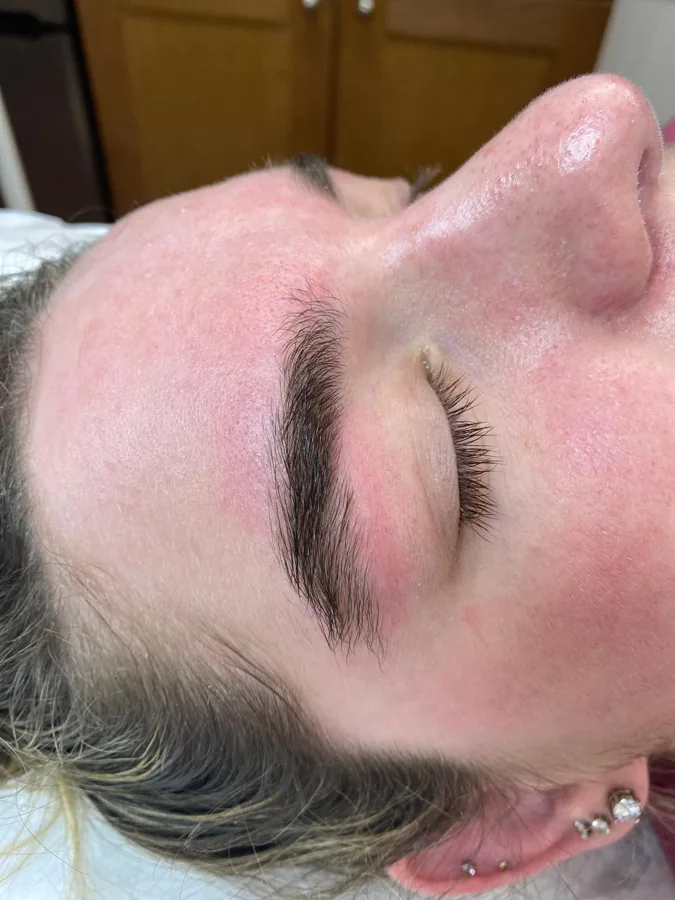
Why electrolysis for eyebrows is precision work
Eyebrows frame your face, and a few millimeters can change your whole expression. That’s why electrolysis for eyebrows appeals to people who want a clean, lasting shape without tweezing every week. Electrolysis treats one follicle at a time, so the electrologist decides exactly which hairs go and which stay.
The American Electrology Association (AEA) lists eyebrows among common treatment areas for women, for men and for people pursuing gender affirmation. Cleveland Clinic also lists the face, including the eyebrows. In each treatment, a fine needle goes into the follicle and an electric current travels down to destroy the hair root.
Electrolysis is described as permanent removal of successfully treated follicles. For brows, that permanence is both the main benefit and the main reason to plan carefully. A hair that has been permanently removed won’t come back if you later decide you want fuller brows.
What does it feel like? The AEA says comfort varies by client sensitivity, and it lists relaxation, hydration, adjustments to treatment settings and topical anesthetics among the ways to make sessions more comfortable. Don’t apply a numbing product on your own; ask your electrologist first.
Why laser isn’t recommended for eyebrow shaping
If you’ve searched for laser hair removal for eyebrows, note that the AEA’s comparison of hair removal methods says plainly that laser is not recommended for eyebrows. The same comparison describes laser as hair reduction rather than permanent hair removal, which matters when the goal is a precise, lasting shape.
Laser is built to treat an area with each pulse. The Candela GentleMax Pro we use offers spot sizes up to 24 mm, which suits legs, underarms and backs. A brow line, by contrast, calls for hair-by-hair decisions right next to the eye, which is the kind of detail work electrolysis is designed for.
That doesn’t make one method better overall. Some people use laser for larger body areas and electrolysis for detail work like brows. To see how the two compare for different hair and skin, read our guide to permanent hair removal with laser vs electrolysis.
Choosing a permanent brow shape before you start
Because results are permanent, plan conservatively. Start by removing only the hairs that are clearly outside the shape you want, such as strays below the arch, above the brow or between the brows. You can always remove more at a later session, but you can’t bring back a treated follicle.
Brow trends change. Thin brows and full brows have each had their moment, so aim for a shape that suits your face over the long run rather than this season’s look. Filling in your ideal shape with a brow pencil for a few weeks is an easy, reversible way to test it before committing.
Before your first session, ask your electrologist about tweezing and waxing. The probe follows the hair into the follicle, so a hair has to be visible to be treated. Your electrologist will tell you how long to let your brows grow in, so the natural shape and the stray hairs are easy to see.
Unibrow removal and hair between the brows
For many people, the area between the brows is the main reason to look into permanent eyebrow hair removal. The AEA’s page on electrolysis for men lists eyebrows among common treatment areas, especially if a unibrow is a concern. The same thinking applies to women who want the space between their brows kept clear.
Permanent unibrow removal still takes a series of visits, because hairs appear at different times. The AEA notes that consistent clearings of any area reach permanence sooner than sporadic appointments, and that defining brows takes far less time than clearing heavy growth on an area like the back.
Decide where the center gap should start and end before treatment begins. A natural-looking gap often lines up roughly with the inner corners of the eyes, but faces differ, so your electrologist can help you mark it. Starting with a slightly narrower gap than your goal leaves room to adjust later.
Men’s eyebrow electrolysis and brows for teens
Men’s eyebrow electrolysis is often about cleanup rather than reshaping: clearing a unibrow, taming stray hairs above or below the brow, and keeping a natural, untweezed look. The AEA lists eyebrows among common areas for men, alongside the ears, the cheeks to clean up the beard line, the neckline and the nape.
For teens, the AEA notes that teens and even pre-teens receive treatments to define or separate their brows, and that electrologists want to be sure it’s the young person, not a parent, who is deciding. The AEA also notes that hormones, genetics and medications can cause hair growth at any age, so a conservative plan makes particular sense for a young person.
If you’re a parent, ask at the consultation how appointments for minors work, and let your teen lead the conversation about the shape they want. A light first pass, followed by a check-in once the area has settled, keeps future options open.
Caring for the brow area after a session
Cleveland Clinic says you may have slight reddening of the skin during or right after electrolysis. For the first 24 hours, it advises avoiding activities that irritate the follicles, including anything that makes you sweat, tanning, time in the sun and applying makeup, which includes brow pencils, powders and gels.
People with darker skin may develop temporary dark spots, according to Cleveland Clinic. The spots fade over time, and it advises against using bleaching cream on them. Keep your hands off the area, and don’t tweeze between sessions unless your electrologist says it’s fine.
Cleveland Clinic notes very slight risks of infection, from an unsterile needle, or scarring if electrolysis isn’t done correctly. Ask how probes are sterilized or whether they’re disposable. If you notice increasing redness, swelling, pus or pain after a session, contact your provider.
Booking a brow consultation in Great Neck or Commack
At Feeling Fabulous, Dorna is our electrologist. A free consultation is the place to map your brow shape, talk about comfort, ask which electrolysis method she’d use and get a sense of how many visits your brows may need. You can learn more about our electrolysis services before you come in.
Our Great Neck office at 200 Middle Neck Rd is convenient from Manhasset and the North Shore, and our Suffolk office is at 635 Commack Rd. Both are open Sunday through Friday, 9am to 6pm, by appointment. For an overview of electrolysis on Long Island, including facial hair, see our main page.
Bring photos of brows you like, an honest sense of how much change you want, and a note of any recent tweezing or waxing. Then book a free consultation or call or text (516) 200-1243 to start planning your brows, one hair at a time.
Questions, answered
Can you get electrolysis on your eyebrows?
Yes. The American Electrology Association lists eyebrows among common treatment areas for women, men and people pursuing gender affirmation, and Cleveland Clinic includes eyebrows among the facial areas electrolysis treats. Because it works one follicle at a time, it can shape brows, clear a unibrow or remove stray hairs while leaving the hairs you want to keep.
Is laser hair removal safe for eyebrows?
The American Electrology Association says laser is not recommended for eyebrows, and it describes laser as hair reduction rather than permanent removal. Brow shaping calls for hair-by-hair precision right beside the eye, which suits electrolysis. If you’re considering any treatment near your eyes, ask your provider to explain the approach and safety steps first.
Is eyebrow electrolysis permanent?
Electrolysis is described as permanent removal of successfully treated follicles; Cleveland Clinic explains that the current destroys the hair root. It usually takes a series of visits, since hairs surface at different times. Because results last, plan your brow shape conservatively and remove a little less than you think you want at first.
Should I stop tweezing my brows before electrolysis?
Ask your electrologist before your first visit. The probe follows the hair into the follicle, so a hair needs to be visible to be treated. Your electrologist will tell you how long to let your brows grow and whether to stop tweezing or waxing in the meantime, so they can see your natural shape and every stray hair.
How should I care for my brows after a session?
Cleveland Clinic advises avoiding sweating, tanning, sun exposure and makeup, including brow products, for the first 24 hours. Slight redness may appear during or right after treatment. People with darker skin may see temporary dark spots that fade; don’t use bleaching cream on them. Contact your provider if you notice increasing redness, swelling, pus or pain.
This guide provides general education. Treatment suitability, risks, preparation, and aftercare should be discussed with your provider. Individual results vary.